Choosing the Right TGA Crucibles for Accurate Thermogravimetric Analysis Results
Introduction
Thermogravimetric analysis (TGA) is a cornerstone technique in material science, polymer research, pharmaceuticals, and chemical engineering. By precisely measuring the weight changes of a sample as a function of temperature, TGA provides crucial insights into thermal stability, composition, and decomposition patterns. However, the accuracy of these measurements depends not just on the instrument but also on one critical component: the TGA crucible. Choosing the right crucible is essential for reliable and reproducible results.
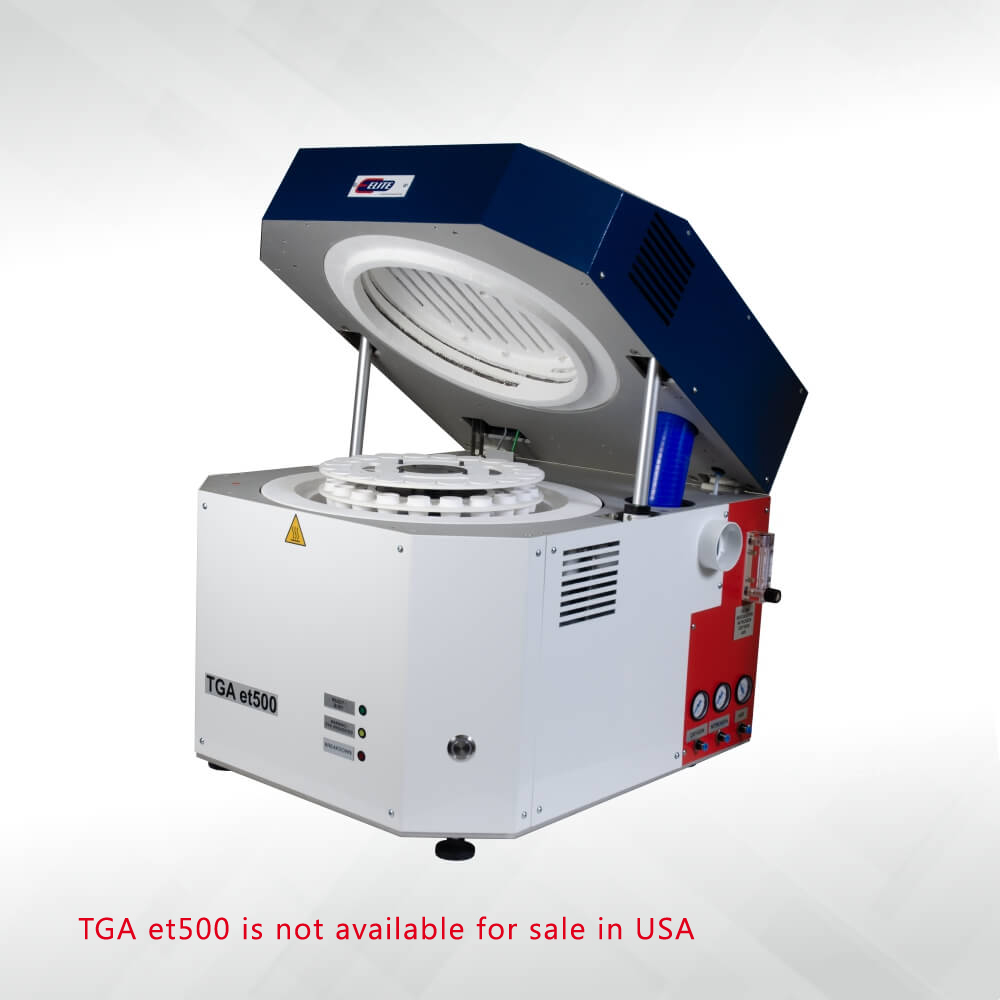
What Are TGA Crucibles?
TGA crucibles are small containers that hold samples during thermal analysis. They must withstand high temperatures and chemically interact minimally with the sample. Crucibles come in various materials and designs, each tailored to specific analytical needs. The wrong choice can lead to inaccurate readings, contamination, or even damage to the TGA instrument.
Factors to Consider When Choosing TGA Crucibles
-
Material Compatibility
-
Alumina (Al2O3): Ideal for high-temperature applications up to 1600°C. Chemically inert with most samples.
-
Platinum: Excellent for samples that may react with ceramic crucibles. Extremely inert and suitable for high-temperature analysis.
-
Nickel and Stainless Steel: Suitable for moderate temperatures but can react with certain chemicals.
-
-
Sample Type and Size
-
The crucible should comfortably accommodate the sample without overcrowding. A sample that is too large may prevent uniform heating.
-
Powders, liquids, and solids may require different crucible shapes to ensure consistent thermal contact.
-
-
Temperature Range
-
Crucibles have maximum operational temperatures. Exceeding these limits can lead to warping or contamination.
-
Match the crucible material to the temperature range of your TGA experiment.
-
-
Crucible Shape and Design
-
Open, closed, and perforated crucibles each serve specific purposes.
-
Open crucibles allow gases to escape freely, suitable for oxidation studies.
-
Closed crucibles are used for volatile or reactive samples.
-
Perforated crucibles control gas flow and are ideal for studying decomposition kinetics.
-
Common Mistakes to Avoid
-
Using a crucible material that reacts with the sample, leading to erroneous weight change readings.
-
Overfilling the crucible, which prevents uniform heating and accurate results.
-
Ignoring the crucible’s temperature limits, risking damage to the instrument or sample contamination.
Best Practices for Accurate TGA Results
-
Always precondition crucibles by heating them before adding the sample.
-
Use crucibles of uniform size and type to ensure reproducibility across experiments.
-
Regularly clean and inspect crucibles for residues or damage.
-
Match crucible material and design to both the sample type and experimental goals.
Conclusion
The choice of a TGA crucible can make or break your thermogravimetric analysis results. By carefully considering material compatibility, sample type, temperature range, and crucible design, researchers can optimize accuracy and reproducibility. Investing time in selecting the right crucible ultimately ensures reliable data, safeguarding both your experiments and your instrument.
Comments
Post a Comment